
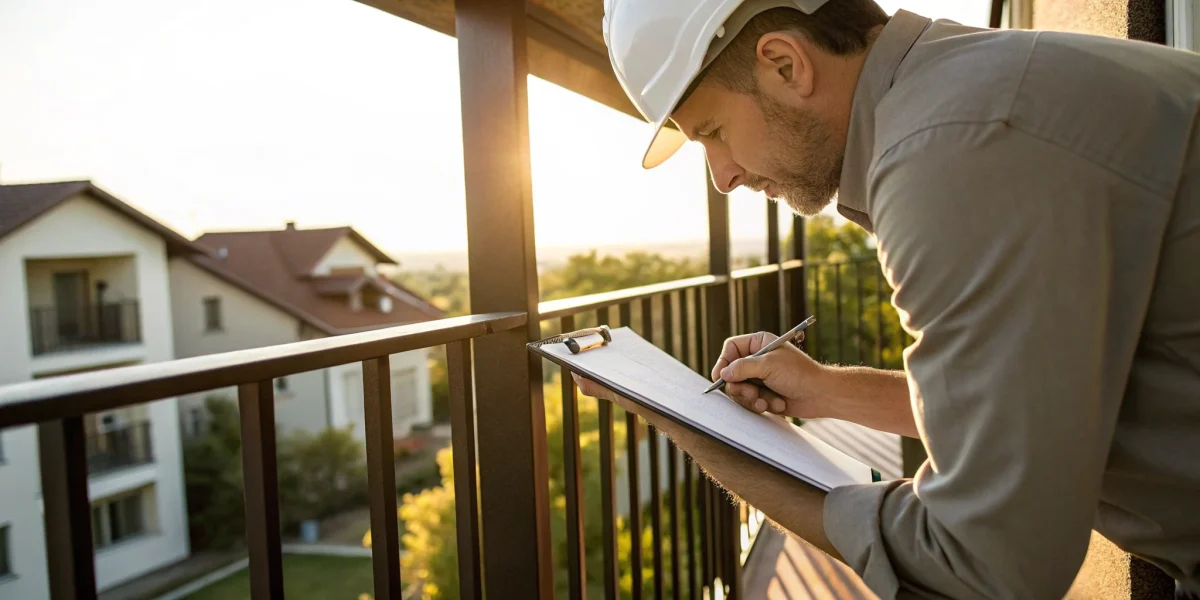
Putting off a structural assessment might seem like a way to delay an expense, but the true cost of neglect is far higher than any inspection fee. A single structural failure can lead to devastating personal injury lawsuits, crippling fines from local authorities, and the potential cancellation of your insurance policy. These are not distant possibilities; they are real-world consequences faced by property associations that fail to perform due diligence. Implementing a regular multifamily balcony inspection for liability is a critical investment in your property’s future. It provides a clear, documented history of responsible management, which is your best defense against the financial fallout of an unexpected accident.
Key Takeaways
- Go beyond compliance with a proactive plan: Instead of just meeting legal deadlines, create an ongoing safety program. This involves training your staff to spot early warning signs and performing regular visual checks to address small issues before they become dangerous and costly.
- View inspections as a financial shield: The cost of a professional inspection is minor compared to the devastating financial fallout of a structural failure, which can include million-dollar lawsuits, steep daily fines, and loss of insurance coverage. It’s a critical investment in protecting your assets.
- Your best defense is in the details: A thorough inspection by a licensed professional and meticulous record-keeping are your strongest tools against liability. A detailed paper trail of every report and repair proves you’ve acted responsibly and is essential for legal and insurance purposes.
What Do Balcony Inspection Laws Require?
Staying on top of balcony inspection laws isn’t just about checking a box; it’s about protecting your residents, your investment, and your peace of mind. While specific regulations can vary by state and even city, the goal is always the same: to prevent structural failures and ensure safety. California has been a frontrunner in creating specific mandates for multifamily properties, setting a standard that other regions are beginning to watch closely. Understanding these requirements is the first step in building a proactive maintenance plan that reduces your liability and keeps your property safe for everyone.
Understanding California’s SB-326
If you manage a condominium complex in California, you need to be familiar with Senate Bill 326. This law requires inspections for what it calls “elevated load-bearing structures,” which is official language for balconies, decks, stairways, and walkways. The rule applies to structures that are more than six feet above the ground and made mostly of wood. A licensed structural engineer or architect must perform the inspection and provide a detailed report to the HOA board. If any urgent issues are found, the local code enforcement agency must be notified within 15 days, ensuring that critical repairs are handled promptly. This law is part of a larger effort to enforce safety standards, similar to the requirements for California SB 721 inspections.
A Look at Other State Regulations
While California’s SB-326 and SB-721 are some of the most comprehensive balcony laws in the country, they highlight a growing national focus on structural safety in multifamily housing. Other states and municipalities are establishing their own inspection requirements, often triggered by age, building materials, or local climate conditions that can accelerate deterioration. As a property manager or owner, it’s crucial to stay informed about your local building codes. Even if your state doesn’t have a specific “balcony bill,” you are still responsible for maintaining a safe property. Proactively inspecting your elevated structures is always the best practice, regardless of a legal mandate.
Meeting Federal Safety Standards
At their core, local and state balcony laws are designed to enforce federal safety standards and established building codes. These regulations exist to protect people. The tragic 2015 balcony collapse in Berkeley, California, served as a stark reminder of what’s at stake. Subsequent investigations revealed that a significant percentage of similar structures failed inspection due to issues like water damage and dry rot. Following these codes isn’t just about avoiding fines; it’s about preventing catastrophic failures. A thorough inspection program ensures your property is compliant and, more importantly, safe for your tenants, which is the ultimate way to reduce your liability exposure.
Your Balcony Inspection Checklist
A thorough balcony inspection isn’t just a quick look-around. It’s a detailed assessment that requires a professional eye to catch issues that could lead to catastrophic failure. While every property is unique, a qualified inspector will follow a comprehensive checklist to evaluate the safety and integrity of your elevated exterior elements (EEEs). This process is especially critical for properties that must comply with specific state laws, such as California’s SB 721 inspections. A proper inspection covers everything from the main structural supports to the smallest signs of wear and tear, ensuring nothing is overlooked. Here’s what a professional will focus on.
Check Structural Connections
The single most important part of a balcony is how it attaches to the building. An inspector will verify that these connections are sound and meet local building codes, ensuring they aren’t just held on with nails or other inadequate fasteners. They’ll look for any signs of stress, separation from the main structure, or movement that could indicate a failing connection. This part of the inspection is non-negotiable for safety, as a failure at the connection point can lead to a total collapse. It’s a detailed process that confirms the balcony’s load-bearing capacity is not compromised.
Inspect Railings and Guardrails
Railings and guardrails are your first line of defense against falls, so they need to be more than just decorative. An inspector will check that they are secure, stable, and built to current safety standards. This includes measuring the height of the railing and the spacing between the balusters (the vertical posts) to ensure they comply with local codes, which are designed to prevent adults, children, and pets from accidentally slipping through. Any signs of looseness, rust, or rot in the railing system are immediate red flags that require prompt attention to maintain a safe environment for your tenants.
Examine Waterproofing and Drainage
Water is the primary enemy of any exterior structure. A professional inspector will carefully examine the balcony’s waterproofing systems and drainage to ensure water is being directed away from the structure, not into it. They’ll look for cracks, failing seals, or areas where water might pool. Using specialized tools like moisture meters, they can detect hidden water intrusion that could be causing wood rot or corroding metal supports from the inside out. Proper waterproofing is essential for the long-term health of the balcony and the building itself, preventing slow-moving damage that can become a major liability.
Spotting Deterioration and Corrosion
Over time, exposure to the elements will take a toll on any material. Inspectors are trained to spot the early signs of deterioration and corrosion on both wood and metal components. For wood, this means looking for rot, splintering, or insect damage. For metal, it involves checking for rust and corrosion, especially around welds and fasteners. Using corrosion-resistant materials like stainless steel and properly treated wood is key, but even the best materials require regular checks. Catching these issues early allows for targeted repairs before the structural integrity of the entire balcony is at risk.
The High Cost of Skipping an Inspection
Putting off a balcony inspection might seem like a simple way to save a little money and time, but it’s a gamble with incredibly high stakes. These inspections aren’t just about checking boxes on a form; they are a critical part of maintaining a safe property and protecting your investment. When you skip a required inspection, you’re not just risking the cost of future repairs—you’re opening the door to devastating legal battles, steep fines, and major insurance headaches.
State laws like California’s SB-721 were put in place for a reason: to prevent catastrophic failures and protect residents. Ignoring these mandates can unravel years of hard work and financial planning. The potential consequences are far more expensive and stressful than the cost of a routine professional inspection. Think of it as a crucial piece of risk management. A thorough inspection gives you a clear picture of your property’s health, allowing you to address small issues before they become dangerous and costly disasters. It’s an investment in safety, compliance, and peace of mind.
Facing Personal Injury Lawsuits
The most severe consequence of a structural failure is, without a doubt, the human cost. If a balcony or elevated walkway collapses and someone is injured or killed, the resulting lawsuits can be financially crippling. These legal battles often cost millions of dollars in damages and legal fees. It’s not just the Homeowners Association (HOA) that’s at risk, either. Liability can extend directly to the board members and, in some cases, even to individual property owners. This means your personal assets could be on the line for a failure that a routine inspection could have prevented.
Dealing with Fines and Penalties
Beyond the courtroom, local building departments have the authority to impose significant fines for non-compliance. These penalties are designed to ensure public safety and can accumulate quickly if ignored. Furthermore, authorities can place liens on properties that fail to meet inspection requirements. A lien is a legal claim against the property for an unpaid debt—in this case, the fines. This can seriously damage the property’s value and create major roadblocks if you try to sell or refinance, effectively trapping your investment until the issue is resolved and the fines are paid.
Risking Your Insurance Coverage
Your insurance policy is your financial safety net, but that net can disappear if you neglect your legal responsibilities. If an accident occurs and your property is found to be non-compliant with inspection laws, your insurance provider may have grounds to deny your claim. Insurers might refuse to cover damages related to the failure, leaving you to pay for repairs and legal fees entirely out of pocket. In other cases, they might cancel your policy altogether or dramatically increase your premiums, making coverage unaffordable. This leaves your property dangerously exposed to future risks.
Understanding Your Liability Exposure
When an accident happens, determining who is at fault can be complicated. Generally, HOAs are usually responsible for maintaining common areas like balconies and elevated walkways. However, the lines can blur, and individual condo owners could also be found partially liable depending on the specifics of the situation and the governing documents of the association. This legal complexity is precisely why regular, documented inspections by a certified professional are so important. They provide a clear record of due diligence and can be your best defense in clarifying responsibility and protecting yourself from unfair liability claims.
How Often Should You Inspect Your Balconies?
Figuring out the right inspection schedule for your balconies isn’t just about checking a box; it’s about creating a proactive safety plan. The ideal frequency depends on a mix of legal mandates, your building’s specific characteristics, and even your local climate. While some states have clear-cut laws dictating inspection cycles, these should be seen as the absolute minimum. A building in a coastal area with salt-laden air will naturally face more corrosion and require more frequent check-ups than one in a dry, mild climate.
Think of your inspection schedule as a living document. It should adapt to the age of your property, the materials used in construction, and any issues uncovered in previous inspections. A brand-new building might start with the legally required schedule, but an older property with wooden balconies might need annual visual checks in addition to more formal inspections. By understanding your state’s laws, assessing your property’s unique risks, and maintaining meticulous records, you can build a robust inspection program that protects both your tenants and your investment. This approach moves you from a reactive stance—fixing problems as they arise—to a proactive one that prevents them from happening in the first place.
Know Your State’s Inspection Schedule
State and local laws are the foundation of your inspection timeline. These regulations are designed to enforce a minimum standard of safety, and failing to comply can lead to significant penalties. California, for example, has specific laws like SB-721 for apartment buildings, which requires inspections of exterior elevated elements, including balconies. Under this law, the first inspection must be completed by January 1, 2026, with subsequent inspections required every six years.
It’s crucial to remember that these timelines are not suggestions. They are legal requirements. If your property is in a state without specific balcony laws, don’t assume you’re off the hook. General building codes and safety standards still apply. Always check with your local building department to understand the exact requirements for your area and property type. Staying informed about these deadlines helps you plan ahead and avoid last-minute scrambles for qualified California SB 721 inspections.
Scheduling Based on Risk Factors
Legal deadlines provide a baseline, but a smart property manager schedules inspections based on risk. Certain factors can accelerate deterioration, meaning you may need to inspect your balconies more often than the law requires. For instance, properties exposed to harsh weather—like heavy snow, frequent rain, or salty sea air—should be on a more frequent schedule. The age and material of the balconies also play a huge role; a 30-year-old wooden balcony needs more attention than a 5-year-old concrete one.
If an inspector ever identifies a structure as immediately unsafe, you must take action right away. This isn’t the time to wait for the next scheduled inspection. You’ll need to restrict access to the area until repairs are made and the structure is re-certified as safe. Proactively scheduling inspections based on these risk factors is a key part of serving your tenants and protecting your property from liability.
Keeping Up with Documentation
A balcony inspection isn’t complete when the inspector leaves; it’s complete when the report is filed and stored correctly. Proper documentation is your best defense in the event of an accident or lawsuit. It provides a clear, historical record of your due diligence and commitment to safety. For example, California’s SB-721 requires that inspection reports be kept for at least two inspection cycles, which is 12 years. These records are vital and must be produced if requested by local authorities.
Your inspection reports should be treated as permanent records for the property. They are essential for planning future maintenance and contributing to reserve studies. Using a dedicated inspection software can help you manage these documents efficiently, ensuring they are secure, accessible, and available to prove compliance. Without this paper trail, you leave yourself vulnerable and can undermine all the hard work you put into maintaining a safe property.
What to Do When an Inspection Finds Problems
Finding out your property has structural issues can be stressful, but having a clear plan makes all the difference. When an inspection uncovers problems with balconies or other elevated elements, you need to act quickly and methodically to ensure safety, meet legal requirements, and protect your investment. Here’s a step-by-step guide to handling the repair process correctly.
Take Immediate Safety Measures
If an inspector flags a balcony or elevated structure as an immediate threat, your first priority is safety. You must take prompt action to prevent access to the hazardous area until repairs are complete and the structure is re-inspected and approved. This often means using caution tape, barriers, or signage to clearly mark the area as off-limits. This isn’t just a suggestion; it’s a critical step to protect residents from harm and shield yourself from liability in case of an accident. Taking decisive safety measures demonstrates responsibility and is the first step in any legally required inspection and repair process.
Set Clear Timelines for Repairs
Once the immediate danger is contained, the clock starts ticking on repairs. In California, for example, property owners are typically given a timeline of 120 days to fix any issues found during an inspection. This deadline requires you to act swiftly. Start by getting quotes from qualified contractors who specialize in this type of structural repair. Create a project plan with clear milestones for securing permits, starting the work, and scheduling a final inspection. Sticking to a firm timeline is essential for meeting legal obligations and getting your property back to full, safe use without unnecessary delays or penalties.
Communicate with Your Tenants
Throughout this process, clear and consistent communication with your residents is crucial. They need to understand what’s happening, why certain areas are restricted, and how long the repairs will take. It’s essential to keep residents informed about the inspection schedule, any required access to their units, and the timeline for the work. Proactive communication builds trust and minimizes frustration. Send out notices via email, post updates in common areas, and be available to answer questions. A well-informed tenant is more likely to be patient and cooperative during the disruption of repairs.
Report Findings to the Building Department
Your responsibility doesn’t end with starting repairs. The inspection findings must be officially documented and reported. According to the California Association of HOA, the inspector is required to give a report to the property’s governing body right away. From there, that report must be submitted to the local code enforcement agency, often within 15 days. This formal reporting is a mandatory part of compliance. It creates an official record that you have identified the problem and are taking the necessary steps to correct it. This documentation is vital for demonstrating due diligence and protecting yourself from potential legal challenges down the road.
How to Ensure a Thorough Balcony Inspection
A balcony inspection isn’t just a box to check off a list; it’s a critical process for protecting your tenants, your property, and your finances. A rushed or incomplete assessment can leave you exposed to significant liability. To get it right, you need a strategy that combines the right expertise, tools, and timing. A thorough inspection gives you a clear, accurate picture of your property’s condition, allowing you to address issues proactively instead of reacting to a crisis. By focusing on a few key areas, you can make sure your inspection process is comprehensive and truly effective.
Hire a Qualified Professional
The single most important step is to bring in the right person for the job. For complex structures like balconies, this means hiring a licensed architect or structural engineer. These professionals have the specific training to assess load-bearing components and identify subtle signs of structural weakness that a general contractor might miss. They understand building codes and material science, allowing them to accurately evaluate the condition of your balconies and their connections to the main building. When you hire an expert, you’re not just paying for an inspection; you’re investing in peace of mind and a credible report that will stand up to scrutiny.
Use Modern Inspection Tools
Today’s best inspectors use technology to make their assessments more accurate and efficient. Modern inspection software and mobile apps allow for real-time data collection, photo documentation, and streamlined reporting. This technology helps create a detailed, time-stamped record of the balcony’s condition at the time of inspection. Instead of relying on handwritten notes and memory, an inspector can quickly capture high-resolution images of potential issues and generate a comprehensive report on the spot. This digital trail is invaluable for tracking repairs, proving compliance, and defending against potential liability claims down the road.
Follow a Comprehensive Protocol
A thorough inspection is systematic. Your chosen professional should follow a detailed protocol that covers every critical component of the balcony. This includes a close examination of the structure for any signs of rust, cracks, wood rot, or loose parts that could compromise safety. The inspection should cover railings, floorboards, support columns, and the ledger board connecting the balcony to the building. A standardized checklist ensures nothing is overlooked and that every balcony on your property is evaluated against the same high standards. This methodical approach is the only way to be confident that you’ve identified all potential hazards.
Schedule Early to Prevent Delays
With compliance deadlines approaching, the demand for qualified inspectors is rising. It’s smart to schedule your inspections well in advance to avoid the last-minute rush. Waiting too long can lead to a shortage of available professionals, potentially causing you to miss your deadline and incur penalties. Scheduling early gives you ample time to find a reputable inspector, conduct the assessment, and address any necessary repairs without pressure. It also demonstrates a proactive approach to property management and safety, which can be a major asset in reducing your overall liability.
Create a Proactive Inspection Program
Waiting for a state-mandated deadline to check your balconies is a reactive approach that can leave you vulnerable. A proactive inspection program, on the other hand, puts you in control. It’s about creating a system that identifies and addresses potential issues long before they become dangerous liabilities. This shift in mindset not only ensures tenant safety but also protects your property’s value and reputation. By treating inspections as an ongoing part of property management rather than a one-time task, you can catch minor problems before they escalate into costly structural failures and legal headaches.
A well-structured program involves regular check-ins, knowledgeable staff, and partnerships with qualified professionals. It’s a comprehensive strategy that demonstrates due diligence and a commitment to safety, which is your best defense against liability claims. Think of it as preventative care for your building; a small investment in regular maintenance and oversight can save you from major financial and legal turmoil down the road. This approach helps you stay ahead of compliance requirements and maintain a safe environment for everyone who lives in or visits your property.
Develop a Regular Maintenance Schedule
Don’t wait for the official inspection cycle to assess your elevated exterior elements. A consistent maintenance schedule is your first line of defense. For properties you manage, this means regularly having your team walk the grounds to look for early signs of trouble. Simple visual checks can uncover issues like water stains, wood rot, or drainage problems before they compromise the structure.
Creating a simple checklist for your maintenance staff can make this process routine. By documenting these smaller, more frequent checks, you build a history of proactive care. This not only helps you budget for future repairs but also shows a clear pattern of responsible ownership if an issue ever arises. Catching a small leak or a patch of dry rot early is far more manageable than dealing with a full-blown structural failure.
Train Staff to Spot Warning Signs
Your on-site staff are your eyes and ears, and with a little training, they can become an invaluable part of your safety program. Teach your maintenance team and property managers what to look for during their daily routines. Key warning signs include visible cracks in concrete or stucco, rust stains bleeding from structural connections, loose or wobbly railings, and any signs of water pooling on balcony surfaces.
Empowering your team to identify these red flags means potential hazards can be reported and addressed immediately. This doesn’t replace the need for a professional inspection, but it creates a culture of safety and vigilance. The NRCIA offers a training portfolio that shows the value of professional education in the inspection field, helping your team become more effective at spotting trouble.
Partner with Certified Inspectors
When it’s time for an official inspection, the professional you hire matters. Laws like California’s SB-721 require that inspections be performed by a licensed architect, structural engineer, or another qualified expert. Partnering with a certified inspector ensures that the assessment is thorough, compliant, and credible. These professionals have the technical expertise to identify underlying structural issues that an untrained eye would miss.
A certified inspector provides an objective, third-party evaluation of your property, which is essential for both safety and liability protection. Their detailed report gives you a clear roadmap for any necessary repairs and serves as official documentation of your compliance. For specialized services, like California SB 721 inspections, working with an organization that understands the specific legal requirements is critical to protecting your investment.
Integrate Inspections into Your Workflow
To make your proactive program effective, inspections should be a seamless part of your overall property management workflow. Instead of treating it as a separate, burdensome task, integrate it into your existing operations. Use digital tools and software to schedule inspections, track findings, and manage repair timelines. This creates an organized, transparent, and easily accessible record of your building’s maintenance history.
Modern inspection software allows you to attach photos, notes, and contractor bids directly to an inspection report, keeping all relevant information in one place. This level of organization is invaluable for staying on top of deadlines and demonstrating a consistent history of due diligence. By making inspections a routine and digitally documented process, you streamline compliance and strengthen your legal standing.
The Financial Fallout of Non-Compliance
Putting off balcony inspections might seem like a way to save money in the short term, but it’s a gamble that can lead to staggering financial consequences. Beyond the obvious safety risks, non-compliance with state and local laws opens up property owners and associations to a world of financial trouble. From hefty fines to legal battles and plummeting property values, the cost of ignoring these regulations is far greater than the cost of a thorough inspection. Understanding these financial risks is the first step toward protecting your investment and ensuring the long-term stability of your property. Let’s break down exactly what’s at stake when you skip this crucial step.
Facing Legal Penalties
If a balcony or elevated structure fails and someone is injured or killed, the legal fallout can be devastating. Lawsuits can easily run into the millions of dollars, creating a financial crisis for everyone involved. It’s not just the homeowners association (HOA) on the hook; liability can extend to individual board members and even property owners. These legal battles are not only expensive but also incredibly stressful and time-consuming. A proper inspection history is a critical part of your defense, showing you’ve taken responsible steps to maintain safety. Without it, you’re leaving yourself exposed to severe legal repercussions that can threaten the financial health of your entire community.
Avoiding Daily Fines and Liens
Local authorities don’t take non-compliance lightly. Many jurisdictions, especially under laws like California’s balcony inspection requirements, impose significant fines for failing to meet deadlines. These penalties can be as high as $500 per day, a cost that adds up alarmingly fast. What starts as a manageable expense can quickly spiral into a major financial burden for the property association. If these fines go unpaid, the city or county can place a lien on the property. A lien complicates any future sale or refinancing and can ultimately lead to foreclosure. Regular, documented inspections are the simplest way to avoid these costly penalties and keep your property in good standing.
Preventing Insurance Hikes and Cancellations
Insurance companies are all about managing risk, and a property with uninspected balconies is a massive red flag. If an incident occurs and you haven’t complied with inspection laws, your insurer may refuse to cover the damages, leaving you to pay for repairs and legal fees out of pocket. Even without an incident, your provider may see the lack of compliance as an unacceptable risk. This can lead them to cancel your policy or dramatically increase your premiums at renewal. Securing new coverage can also be difficult and more expensive. Maintaining a consistent inspection schedule helps keep your property insurable and your premiums stable.
Protecting Your Property’s Value
Ultimately, all these financial risks directly impact your property’s value. A history of non-compliance can make it difficult for potential buyers to secure loans, as lenders are wary of the associated liabilities. News of special assessments to cover fines or major repairs can also scare off buyers and cause current owners to see their equity shrink. Consistently failing to meet safety standards creates a reputation that can be hard to shake. Proactive maintenance, including regular California SB 721 inspections for those in the state, is a direct investment in your property’s long-term value and marketability. It shows that the property is well-managed, safe, and a sound financial investment.
Protect Your Investment with Proper Inspections
For multifamily property owners and managers, balconies, decks, and elevated walkways are more than just amenities—they’re significant assets. They add value and appeal to your property, but they can quickly become a massive liability if they aren’t properly maintained. The tragic Berkeley balcony collapse in 2015 was a devastating reminder of what can happen when structural integrity is compromised. That event spurred new, stricter building codes across California and influenced international standards, highlighting a crucial reality: proactive inspections are non-negotiable for safety and financial protection.
Regular, thorough inspections by a certified professional are the best way to ensure these structures are safe and up to code. It’s not just about checking a box for compliance; it’s about protecting residents, visitors, and your investment from preventable harm. A detailed inspection identifies potential issues like water intrusion, dry rot, and corrosion before they lead to catastrophic failure. By catching these problems early, you can address them with planned repairs rather than facing emergency situations and the staggering costs that come with them. This proactive approach is the foundation of a sound risk management strategy for any property manager or building owner.
Build a Solid Inspection History
Think of your inspection records as your property’s official health chart. Maintaining a detailed history of every inspection, report, and repair is one of the most powerful tools you have to demonstrate due diligence. In the unfortunate event of an accident, these records can show that you took reasonable and consistent steps to keep the property safe. This documentation can be critical in reducing the liability of the HOA, its board members, and property owners. In states like California, the law is very specific, requiring that all inspection reports be kept for as long as 18 years and integrated into the HOA’s long-term financial planning, known as the reserve study.
Create a Strategy to Reduce Liability
A structural failure that leads to injury or death can trigger lawsuits costing millions of dollars, putting the entire community’s financial stability at risk. Regular inspections are your first line of defense. Balconies and other exterior elevated elements are constantly exposed to the elements, and this wear and tear can lead to dangerous conditions if left unchecked. By scheduling routine California SB 721 inspections, you create a proactive strategy to identify and fix hazards before they cause harm. This isn’t just about following the law; it’s about creating a culture of safety that protects both people and property, ensuring your building remains a safe place to live for years to come.
Keep Detailed Records for Your Defense
Your inspection history is only as good as the records you keep. It’s essential to save everything, including the final inspection reports, all invoices for repairs, and clear photos documenting the condition of the structures before and after any work is done. These documents are invaluable for more than just legal defense; they are often required by insurance carriers, lenders, and potential buyers during a sale. The law also sets clear rules for reporting findings, obtaining permits, and verifying repairs. Using a dedicated inspection software can help you organize these critical files, ensuring everything is accessible when you need it most and proving you’ve followed every required step.
Related Articles
- SB 721 (Deck/Balcony) Inspections – NRCIA
- California’s Balcony and Deck Safety Laws SB721 SB326 :: NRCIA
- California’s Balcony and Deck Safety Laws SB721 SB326 :: NRCIA
- California’s Balcony and Deck Safety Bills SB721 SB326 :: NRCIA
- Mastering Senate Bill 721: California’s Balcony and Deck Inspection Law – NRCIA
Frequently Asked Questions
What if my state doesn’t have a specific balcony law like California’s? Even if your state doesn’t have a dedicated “balcony bill,” you are still legally responsible for maintaining a safe property for your residents. General building codes and safety standards apply everywhere, and neglecting them can expose you to the same liabilities, such as personal injury lawsuits. Think of laws like California’s as a sign of a growing national focus on structural safety. The best practice is to create a proactive inspection schedule based on your building’s age, materials, and local climate, regardless of a specific mandate.
Who is actually qualified to perform these inspections? For a formal, legally compliant inspection, you need to hire a licensed professional with specific expertise in structural systems. This typically means a licensed structural engineer or architect. While your regular maintenance staff is great for routine visual checks, they don’t have the technical training to assess load-bearing connections, identify hidden water intrusion, or interpret complex building codes. Using a qualified expert ensures the inspection is thorough and provides you with a credible report that will protect you from liability.
My building is relatively new. Do I still need to schedule inspections? Yes, absolutely. While new construction might feel safe, it isn’t immune to issues. Construction defects, improper waterproofing, or material failures can exist from day one and may only become apparent after a few years of exposure to the elements. Many state laws, including California’s, apply to buildings regardless of age. Starting a regular inspection schedule early in a building’s life establishes a baseline and helps you catch potential problems before they become major, expensive repairs.
What’s the difference between a routine maintenance check and a formal inspection? A routine maintenance check is a visual scan that your on-site staff can perform regularly to spot obvious warning signs like wobbly railings, visible cracks, or water stains. It’s a crucial part of a proactive safety program. A formal inspection, however, is a comprehensive structural assessment conducted by a licensed engineer or architect. They follow a detailed protocol, examine how the balcony is attached to the building, and may use specialized tools to detect hidden damage. The formal inspection is what satisfies legal requirements and gives you an official report on the structure’s safety.
Besides avoiding fines, what’s the biggest reason to keep detailed inspection records? Your inspection records are your best defense against liability. In the event of an accident, a well-documented history of regular inspections and prompt repairs demonstrates that you have acted responsibly to maintain a safe property. This paper trail can be critical in a lawsuit and is often required by insurance carriers to maintain your coverage. These records also protect your property’s value, as they provide proof of compliance and good maintenance to potential buyers and lenders.
